
Washington Brush Removal Services
Choose our professional brush removal for a safer, cleaner property—our experienced team delivers fast, eco-friendly clearing that boosts curb appeal and protects your landscape.
Get a Free QuoteOur Washington Landscaping & Yard Care Services
When to Schedule Brush Removal in Washington, Georgia – Seasonal Guide
In Washington, Georgia, timing your brush removal is crucial for maintaining healthy landscapes and preventing potential hazards. The region’s humid subtropical climate means that late winter through early spring—after the last frost but before new growth—offers the best window for clearing brush. This period, typically from late February to early April, allows homeowners in neighborhoods like Historic Downtown or near the Washington-Wilkes County Courthouse to prepare their yards before the surge of spring vegetation. Summer months can bring high humidity and increased drought risk, making brush removal more challenging and potentially stressful for your soil and established plants. Additionally, autumn is another suitable time, especially after leaf drop but before the first frost, as it helps reduce fire risk and prepares your property for winter storms. Local environmental factors such as the clay-heavy soils around Tignall Road, dense shade coverage in areas near Callaway Plantation, and municipal guidelines—often updated on the city’s official website—should all be considered when planning your project.
Local Factors to Consider for Brush Removal in Washington
- Tree density and type (hardwoods vs. pines)
- Terrain slope and accessibility
- Average precipitation and recent rainfall
- Frost dates and seasonal temperature swings
- Municipal restrictions or permit requirements
- Proximity to landmarks like Wilkes County Schools or Heard Street Park
- Soil type and drainage characteristics
By aligning your brush removal schedule with Washington’s unique seasonal patterns and local regulations, you’ll ensure a safer, healthier, and more attractive outdoor space.
Benefits of Brush Removal in Washington
Enhanced Curb Appeal
Improved Property Safety
Prevention of Pest Infestations
Increased Usable Outdoor Space
Reduced Fire Hazards
Promotes Healthy Plant Growth
Washington Brush Removal Types

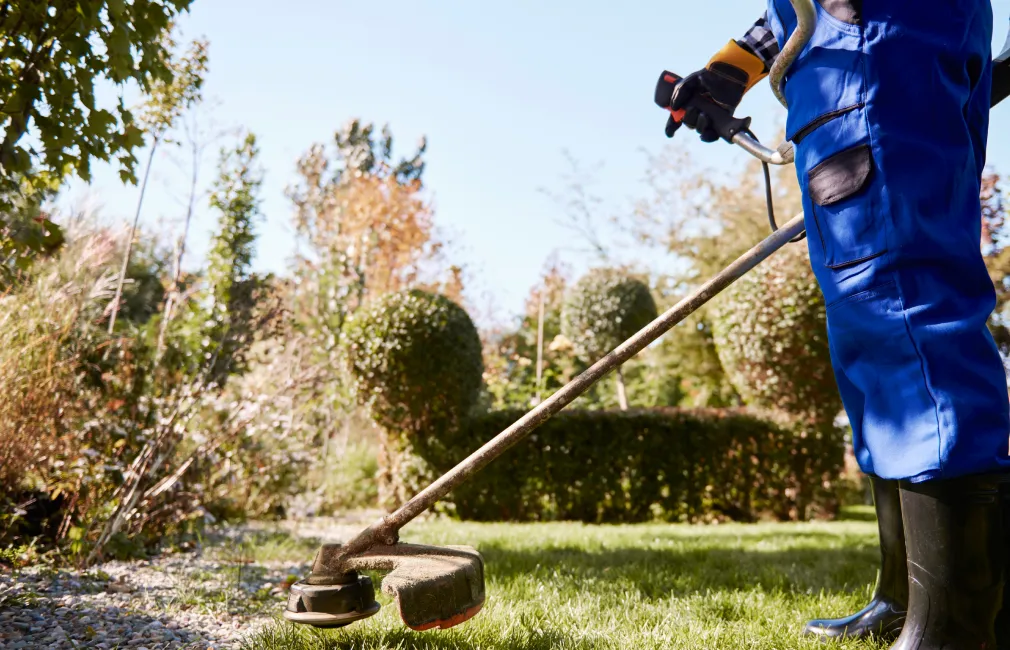
Manual Brush Clearing
-
Mechanical Brush Removal
-
Forestry Mulching
-
Controlled Burning
-
Chemical Brush Control
-
Selective Pruning
-
Stump Grinding and Removal
Our Brush Removal Process
Site Evaluation
Safety Preparation
Brush Clearing
Debris Removal
Final Inspection
Why Choose Washington Landscape Services
-
Washington Homeowners Trust Us
-
Comprehensive Lawn Maintenance
-
Competitive Pricing
-
Professional Team
-
Satisfaction Guarantee
-
Personalized Service
-
Reliable Scheduling
Coordinating Brush Disposal Through Washington's Public Works and City Ordinances
Property owners in Washington, GA, must manage brush removal in compliance with the City of Washington Code of Ordinances, which addresses property maintenance standards, nuisance vegetation, and debris placement within city rights-of-way. Washington's Department of Public Works oversees waste collection and can advise residents on current brush pickup schedules, bundling requirements, and acceptable placement locations along the curb or right-of-way. Key guidelines for brush disposal within city limits include:
- Bundling: Limbs and brush should typically be cut to manageable lengths (generally 4–6 feet) and stacked neatly at the curb, separated from household waste.
- Placement: Brush piles should not obstruct sidewalks, drainage ditches, storm inlets, or roadway sightlines.
- Prohibited materials: Stumps, root balls, and construction lumber are generally not accepted as yard debris.
Residents should verify current collection schedules and any seasonal changes directly with the city. For large-scale clearing projects, private hauling to an approved disposal site may be required.
City of Washington Department of Public Works
P.O. Box 9, Washington, GA 30673
Phone: (706) 678-3277
Official Website: City of Washington Departments
Invasive Species Pressure and Brush Clearing Priorities in Wilkes County
Washington sits in USDA Hardiness Zone 8a, within Georgia's upper Piedmont region, where warm, humid summers and mild winters create favorable conditions for aggressive woody growth. Brush removal in this area frequently involves invasive species that regenerate rapidly if not properly managed. Common invasive plants encountered during brush clearing in and around Washington include:
- Chinese privet (Ligustrum sinense) — dominates understory areas along creeks and fence lines
- Kudzu (Pueraria montana) — smothers trees and structures on neglected lots
- Japanese honeysuckle (Lonicera japonica) — forms dense tangles along woodland edges
- Bradford pear (Pyrus calleryana) — spreads aggressively into open and disturbed areas
The UGA Cooperative Extension and UGA Extension Invasive Species Program provide identification guides and management recommendations specific to Georgia. Simply cutting invasive brush without follow-up treatment often results in vigorous regrowth. Property owners should ensure that contractors identify invasive species during clearing and apply appropriate stump treatments or removal techniques to prevent re-establishment.
Protecting Washington's Creeks and Drainage Corridors During Brush Removal
Washington is situated within the Savannah River watershed, and several small creeks and drainage channels run through or near residential and commercial properties in the city. Brush removal near these waterways requires careful attention to erosion control and water quality protection. The Georgia EPD Watershed Protection Branch enforces state-level standards under the Clean Water Act, and property owners should observe the following precautions:
- Maintain vegetative buffers: Do not clear brush to bare soil within 25 feet of any creek bank or drainage channel unless specifically authorized. Roots and low vegetation stabilize banks and filter runoff.
- Control sediment: When clearing slopes near waterways, install silt fencing or straw wattles to prevent loose soil and debris from entering the water.
- Avoid in-stream dumping: Brush, limbs, and cleared vegetation must never be pushed into creeks, ditches, or stormwater conveyances.
- Timing: Avoid large-scale clearing during heavy rain periods (typically March–May and July–August) to reduce erosion risk.
Washington's Piedmont clay soils—predominantly Cecil and Madison series according to the USDA Web Soil Survey—are highly erodible when exposed, making post-clearing ground cover essential.
Seasonal Timing and Piedmont Soil Conditions Affecting Brush Removal in Washington
The red clay soils characteristic of Washington's upper Piedmont setting directly influence when and how brush removal should be performed. Cecil and Madison soil series, which dominate Wilkes County, feature a dense clay subsoil that becomes extremely slippery and compaction-prone when saturated. These conditions affect equipment access, ground disturbance, and site recovery after clearing. Recommended seasonal timing includes:
- Late fall through early winter (November–February): Optimal window for brush clearing. Deciduous growth is dormant, visibility into thickets improves, and ground conditions are generally drier. Reduced snake and insect activity also improves safety.
- Late summer (September–October): Acceptable for smaller projects, though heat stress and dense foliage increase labor demands.
- Spring (March–May): Avoid heavy equipment use during this wet period. Saturated clay compacts easily and ruts deeply, damaging soil structure and impeding future drainage.
The National Weather Service forecast office serving Washington (based in Columbia, SC) provides precipitation outlooks that help schedule clearing work around wet periods. Soil moisture monitoring is critical—even a single pass of heavy equipment on saturated Piedmont clay can create compaction layers that persist for years.
Fire Safety and Burn Regulations for Brush Piles in Washington
Open burning of brush and yard debris in Washington and Wilkes County is subject to both municipal and state regulations. The Georgia Forestry Commission manages the statewide burn permit system, and all outdoor burning of natural vegetative material requires notification or permitting through their office. Key requirements include:
- Burn permits: Contact the Georgia Forestry Commission's local Wilkes County ranger unit before burning any brush pile. Permits are typically free but mandatory.
- Prohibited conditions: Burning is not allowed during air quality advisories, drought declarations, or high-wind days.
- Setbacks: Burn piles must be positioned a safe distance from structures, fences, utility lines, and property boundaries—generally a minimum of 25–50 feet depending on pile size.
- Attended burns: All fires must be continuously attended and fully extinguished before leaving the site.
- Municipal restrictions: Within Washington city limits, additional restrictions may apply. Verify current open-burning rules through the City of Washington Code of Ordinances and coordinate with Washington Fire and Emergency Services.
Washington Fire and Emergency Services
Washington, GA 30673
Phone: (706) 678-3277
Official Website: Washington Fire and Emergency Services
Georgia Forestry Commission
Phone: 1-800-GA-TREES (1-800-428-7337)
Official Website: Georgia Forestry Commission
What Neighborhoods Do We Serve Throughout Washington, GA?
- Downtown Historic District: Mature hardwoods, ornamental plantings, and older lot configurations create frequent brush accumulation along fence lines and rear property boundaries. Historic preservation considerations may affect clearing methods and equipment access on narrow lots.
- Robert Toombs Avenue Corridor: Properties along this central corridor feature established canopy trees and dense understory growth. Proximity to sidewalks and public right-of-way requires careful brush staging to avoid obstructing pedestrian and vehicle sightlines.
- East Washington / Lexington Highway Area: Larger residential lots with wooded edges and mixed pine-hardwood stands generate significant seasonal brush. Creek branches in this area demand erosion-conscious clearing practices.
- West Washington / Tignall Road Vicinity: Semi-rural lots transitioning from open pasture to wooded borders often accumulate privet, honeysuckle, and volunteer tree growth requiring periodic clearing.
- North Washington / Spring Street Area: Older residential neighborhoods with compacted Cecil clay soils and mature shade trees produce heavy limb drop and understory brush, particularly after summer storms.
- Callaway Plantation Vicinity: Properties near this historic site feature large wooded parcels where kudzu and privet encroachment is common, requiring systematic brush removal and invasive species management.